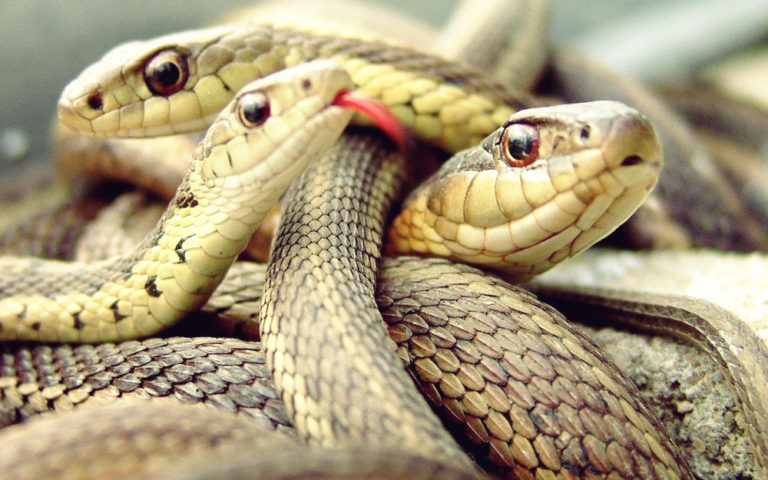
Contrary to the popular belief the snakes of Canada are shy and therefore do not pose any threat to the inhabitants. The Rattlesnake is the only species of snake in Canada that is considered to be dangerous and therefore pose threat. Out of the 25 species which are found in Canada none is considered to be fatal and therefore they are protected by law and the related organization. The Timber Rattlesnake is the only snake that has been annihilated and it is all because of the threat which it poses to humans. Most of the snakes in Canada are very shy and try to avoid human contact. Most of the snakes of Canada are non-venomous and therefore killing them is prohibited by law completely.
Canadian snakes – important species
Coastal Rubber Boa
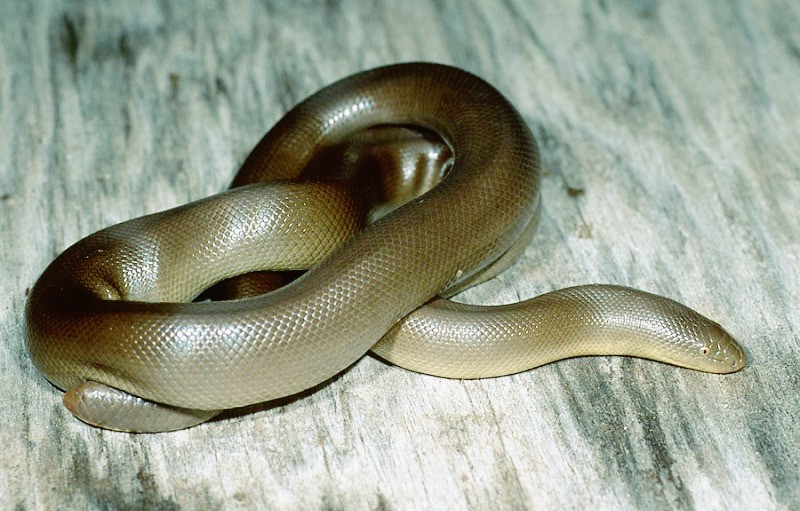
Most of the snakes of this class are very small in size and therefore they are not visible generally. The size is 38 – 84 cm which is small as compared to the other snake species in Canada. The overall look of the snake is rough and the skin consists of scales, the skin has wrinkles and the overall skin is smooth when it comes to this reptile. The rubber boas are identified with their short tail and the flat head which is just as the size of the body. There are other species of the snake which are not to be confused such as northern rubber boa which is same in appearance but the characteristics are completely different.
Snakes in Ontario
Blue Racer
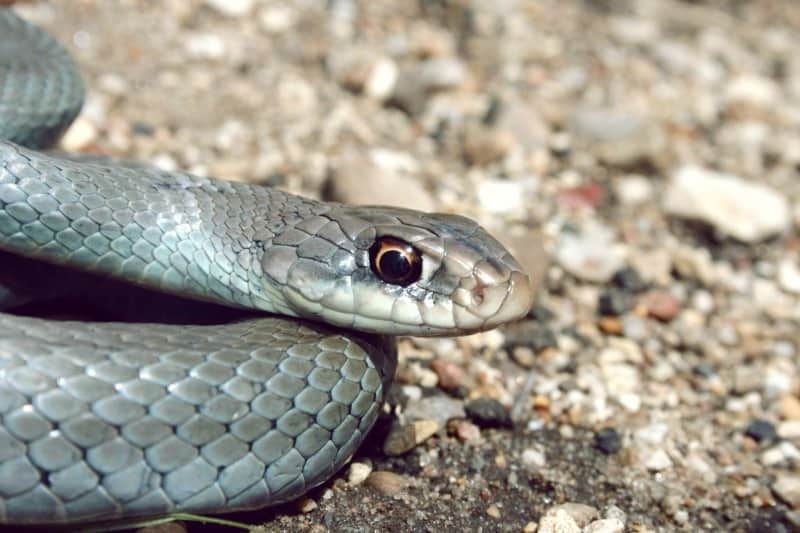
The ventral scales of the snake are the ones which identify them. The eyes are large and have black masks. These snakes are mostly found in Ontario and they are considered to be the largest ones in Canada. The largest snake of this species was captured on Pelee Island which was 138 cm in length.
Snake protection organizations
Canadian Herpetological Society
The society is of the view that the declines in the snakes and the related species is all because of the snake diseases and other habitats attack. The ecological system of the country is changing dramatically and it is affecting the world over. The society takes all the necessary measures to make sure that the snakes are preserved as much as possible. The workshops, seminars and the walks are conducted to create awareness among the general public. The society is a strong supporter of SARA which stands for Species at Risk Act. This act protects the snakes of Canada legally.
Nature Canada
It is regarded as one of the largest organizations in Canada which protect the snakes and the related system in which they live in. The organization is of the view that the ecological system of Canada is being affected by the decline in snake number and necessary measures should be taken to prevent this from happening. The pollution, invasive species, urban development, and disease are cited as the main sources by the organization responsible for the snake annihilation. Apart from snakes the organization also looks after other reptiles which are in danger.